

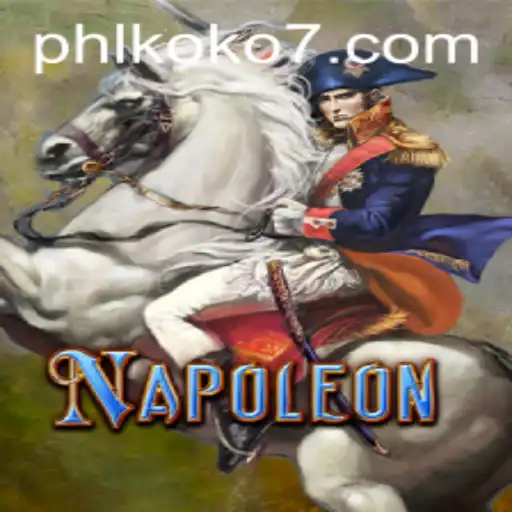
Discover the strategic world of Napoleon, a captivating card game intertwined with mystery and tactics.
Understanding Napoleon: A Game Rich in Strategy and History
The card game Napoleon, not to be confused with the historical figure, is a fascinating blend of skill, strategy, and a touch of luck. Played traditionally in various forms across the globe, it is revered for its complexity and the depth of strategic thinking it requires. In this article, we will delve into the game's nature, the essence of its engaging rules, and the influence of modern trends like KOKO7 on its evolution.
The Origins of Napoleon
Napoleon, also known as Nap, has roots that trace back to the 19th century. This trick-taking game is often believed to be named after the famous French leader due to its themes of conquest and powerplay. Over the years, it has carved a niche in card game enthusiasts' circles, celebrated for its engaging mechanics and dynamic gameplay.
Incorporating Modern Trends: The KOKO7 Influence
With the introduction of modern elements like KOKO7, the game has seen a resurgence in popularity, especially among younger audiences. The KOKO7 trend, which integrates digital enhancements with traditional gameplay, has allowed Napoleon to evolve with the times. This update not only preserves the classic charm of the game but also makes it accessible and engaging in the digital era.
The Rules and Structure of Napoleon
The beauty of Napoleon lies in its intricate rules which are both challenging and rewarding. The game is usually played with a standard 52-card deck, and its structure revolves around the number of players, typically between three to five. The objective is to capture tricks, much like many other trick-taking games, but with unique twists that set it apart.
Game Setup
At the start of the game, each player is dealt a specific number of cards depending on the number of participants. The game begins in a clockwise direction, with bids determining the playstyle for each round. The player declaring the highest bid becomes the 'Napoleon' for that round, tasked with winning the number of tricks they declared.
Bidding Process
Bidding is one of the core components of Napoleon, echoing the strategic nature of the game. Each player has the opportunity to bid for the number of tricks they believe they can win, proceeding to declare themselves as the 'Napoleon' if their bid is the highest. The challenge intensifies as players aim to deceive their opponents, showcasing their advantage while concealing their actual strategy.
The Role of KOKO7 in Gameplay
KOKO7 introduces an enhancement factor, adding layers of unpredictability and excitement. By integrating special abilities and bonuses triggered through digital means, players are encouraged to adapt to new strategies, enriching the overall gameplay and maintaining the interest of long-time players.
Current Trends and Events
The card gaming world has seen a fascinating blend of past and present influences shaping how games like Napoleon are perceived and played. The rising interest in card games, spurred by increased digital access and online platforms, has seen traditional games making a strong comeback. With innovations like KOKO7, games are not just tangible experiences but digital adventures that span global audiences.
KOKO7 tournaments and events highlight the growing community of Napoleon enthusiasts worldwide. These events often integrate gaming conventions and online forums, expanding the reach and fostering a competitive yet friendly environment. As these gatherings gain momentum, they generate opportunities for players to showcase their skills and foster a greater appreciation for the strategic depth Napoleon offers.
Strategies for Mastering Napoleon
For beginners and seasoned players alike, mastering Napoleon requires a robust understanding of strategy and adaptability. Effective players often emphasize the importance of reading opponents, managing resources carefully, and understanding when to take risks. The subtle art of bluffing, combined with the ability to anticipate opponents' moves, marks the difference between novice and expert players.
The integration of KOKO7 necessitates staying up-to-date with software updates and understanding digital gameplay mechanics. As these changes introduce new dimensions to the game, players are encouraged to practice adaptability and utilize new tools to gain a strategic edge.
Conclusion
Napoleon remains a testament to the enduring appeal of traditional card games, with its strategic depth and social elements continuing to captivate players old and new. The introduction of modern trends like KOKO7 demonstrates the game's ability to adapt and evolve, ensuring its relevance in today's fast-paced digital landscape. As players embrace both the historical roots and contemporary influences, Napoleon stands out as a game that offers not only a challenging pastime but a bridge between generations.




0 Comments